Call Free0800 876 6172

Today’s opening times

9am - 6pm

GET A FREE QUOTE

Living in a conservation area comes with a certain charm. The architecture has character and your home probably looks the way it does because someone, decades ago, cared about getting the details right.

It also means that when your windows start to fail, you can't simply order whatever you like. Conservation areas have rules, and those rules exist to protect exactly the character that makes your area worth living in.

The good news is replacing windows in a conservation area is possible. It just needs to be done carefully, with the right style, the right materials, and in some cases, the right permissions.

This guide explains how it all works.

Do you need permission to replace your windows?

This is the question most homeowners in conservation areas start with, and the answer is, it depends.

When you probably don't need planning permission

For a single dwelling house (not a flat), replacing windows generally counts as permitted development under the Town and Country Planning (General Permitted Development) Order. That means you don't need to submit a planning application, provided the new windows are of 'similar appearance' to those they're replacing.

In a conservation area, 'similar appearance' is interpreted more strictly than it would be elsewhere. Replacing timber sash windows with timber sash windows of the same proportions and design? That's likely fine. Replacing timber sash windows with uPVC casement windows in a different style? Almost certainly not.

The material matters too. Switching from timber to uPVC is not considered 'similar' in a conservation area, even if the new window is the same shape. Some local authorities may accept high-quality heritage uPVC with woodgrain finishes, particularly at the rear of a property, but this varies widely.

When you do need planning permission

You'll need to apply for planning permission if your local authority has issued an Article 4 direction covering your property.

An Article 4 direction removes specific permitted development rights. In conservation areas, they're commonly used to bring window and door replacements under planning control, particularly on front elevations facing a highway or public space. Some Article 4 directions cover the whole property and others only apply to the principal elevation.

Article 4 directions are increasingly common. Many conservation areas across the UK now have them in place, and councils can introduce new ones at any time.

If an Article 4 direction applies, you'll need planning permission even for a like-for-like replacement in the same material and style.

How to find out what applies to you

Your local planning authority can tell you whether an Article 4 direction is in place for your property. This information is usually available on the council's website, or you can contact their planning or conservation team directly.

Don't assume. Even if your neighbours have replaced their windows without apparent issues, the rules may have changed since they did theirs. Or, they may have changed theirs without official permissions.
Always check before you commit to an order.

Read more about planning permission for windows
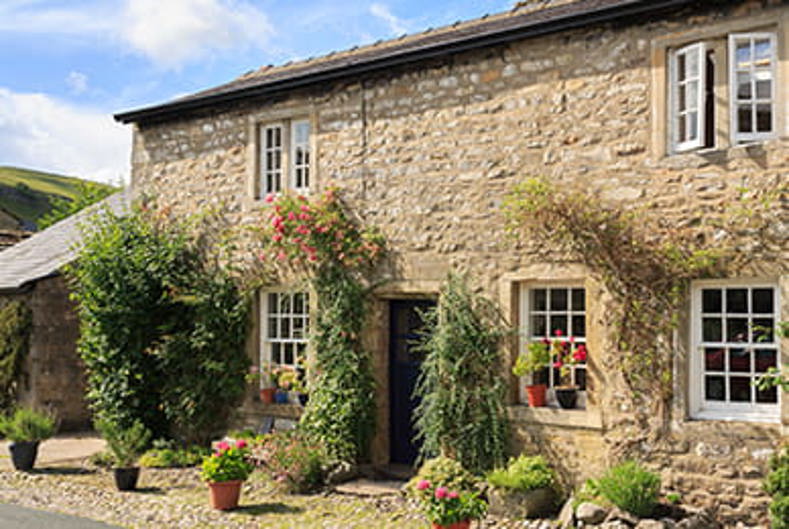
What restrictions should you expect?

If you want to make sure your replacement windows are appropriate for a conservation area, there are four main areas where restrictions typically apply.

Matching the original design

This is the most fundamental requirement. Your replacement windows should match the originals in terms of shape, proportions and glazing pattern.

A Victorian sash window has specific characteristics such as the height-to-width ratio, the size of each pane, the position of the meeting rail, the presence of horns on the upper sash. A Georgian sash has different proportions again, with more panes and slimmer glazing bars. Getting these details right isn't optional. It's what conservation officers assess first.

Materials

Timber is the traditional material for period windows and the one most likely to be approved in a conservation area. Most conservation officers prefer timber, and in many areas it's the only material that will be accepted for front-facing elevations.

That said, there's growing acceptance of high-quality heritage uPVC in some areas, particularly for rear elevations or where the property itself isn't individually significant. uPVC flush casement windows can use woodgrain finishes that closely replicate timber, and these may be acceptable for use in conservation areas. But always check with your local authority before ordering.

For properties with original steel-framed windows (common in 1920s and 1930s homes), aluminium frames are the standard modern replacement. They replicate the slim sightlines of original steel while providing proper thermal performance.

Glazing

Most original windows in conservation areas are single glazed and an issue can be how double glazing requires a thicker sealed unit.

Slimline double glazing is designed specifically for this situation. These units are typically 12mm to 16mm thick (compared with 24mm to 28mm for standard double glazing), allowing them to fit within traditional rebates without altering the external profile. Many conservation officers accept slimline double glazing in replacement windows, provided the overall appearance remains sympathetic.

For more restrictive situations, secondary glazing (an internal glazed panel fitted behind the original window) provides improved thermal and acoustic performance without changing the external appearance at all.

Colour and finish

The colour of your window frames should be consistent with the period and character of the building. In most cases this means white, off-white or cream for timber sash windows. For steel-look aluminium, it typically means black, dark grey or bronze.

Bright, non-traditional colours are unlikely to be approved. If you're unsure, ask your conservation officer what the acceptable palette is for your area. Some councils publish a heritage colour guide as part of their conservation area documentation.

Common window styles in conservation areas

The window style your property needs depends on when it was built.

Timber sash windows

The most common window type in conservation areas by a wide margin. Sliding sash windows were the standard in British homes from the early 18th century through to the Edwardian era. Georgian homes typically have multi-paned sash windows (six-over-six or similar) with slim glazing bars. Victorian homes tend to have taller sash windows with fewer, larger panes (two-over-two or one-over-one). Edwardian homes often feature a decorative top light above a larger lower pane.

If your conservation area is predominantly Georgian, Victorian or Edwardian, sash windows are almost certainly what you need.

Steel-framed windows

Properties from the 1920s and 1930s, particularly Art Deco and interwar homes, often have steel-framed casement windows with slim profiles and geometric proportions, also known as Crittall-style windows. 
The originals are typically single glazed and, after 90-plus years, often corroded and draughty.

If your property has steel frames, the appropriate modern replacement is aluminium windows, which replicate the slim sightlines of the originals.

Your options for replacing windows in a conservation area

You have three main routes, and the right one depends on your property, your planning situation, and what your existing windows are made from.

Sash windows: the most widely accepted option

For the majority of period properties in conservation areas, sash windows are the safest and most commonly approved route.

Timber sash is the preferred material and the one most likely to satisfy your conservation officer. Everest timber sash windows are available in softwood (European pine) or hardwood (African sapele), both responsibly sourced and engineered with laminated layers for strength. They can be fitted with slimline double glazing to improve thermal performance significantly. A typical single-glazed window has a U-value (a measure of heat loss, where lower is better) of around 5.0 W/m²K. A timber sash with double glazing typically achieves 1.4 to 1.6 W/m²K, a reduction in heat loss of roughly 70%.

Timber requires maintenance, usually repainting every five to seven years. But Everest timber windows come with a 30-year guarantee.

uPVC sash can be a practical option for rear elevations where planning requirements are less strict. Everest uPVC sash windows use woodgrain finishes, operate with a spiral balance mechanism and are A-rated for energy efficiency. They need no painting and come with a 10-year guarantee. Some homeowners opt for timber at the front and uPVC at the rear, which can satisfy both the conservation officer and the maintenance budget.

Read more about Everest sash windows

Aluminium heritage windows: for replacing steel frames

If your property has original steel-framed windows, aluminium heritage is the appropriate replacement. The strength of aluminium allows for narrow frame profiles that match the slim sightlines of original steel. Modern aluminium heritage frames include a thermal break (an insulating strip built into the frame that prevents heat transferring directly through the metal), double glazing, and modern seals.

Aluminium is low maintenance, doesn't corrode like steel, and is available in a range of colours appropriate for heritage properties. A well-made aluminium window can last 40 years or more.

Read more about Everest aluminium windows

Secondary glazing: when external changes aren't permitted

In some conservation areas, particularly where an Article 4 direction is combined with a very strict conservation officer, replacing external windows may not be approved. This is more common with higher-graded listed buildings, but it can apply to unlisted buildings in conservation areas too.

Secondary glazing is a separate glazed panel in a slim aluminium frame, fitted to the inside of the existing window opening. From outside, nothing changes. The original windows remain exactly as they are.

The air gap between the original window and the secondary glazing reduces heat loss and is particularly effective at reducing noise, often outperforming standard double glazing for sound insulation. The cost is typically up to 50% less than full replacement windows.

It can also be removed in future without any damage to the originals. That's important for maintaining the long-term integrity of historic fabric.

Read more about Everest secondary glazing

Sash Windows

Traditional styling in smooth or woodgrain finish for period properties

Aluminium Windows

The perfect replacement for heritage steel windows

Secondary Glazing

Secondary glazing is perfect for listed buildings that can't change window styles

How to get approval

If you do need planning permission for your window replacement, the process is more straightforward than many homeowners expect.

Step 1: Check whether an Article 4 direction applies to your property. Contact your local planning authority or check their website. If there's no Article 4, and your replacement windows will be of similar appearance to the originals, you may not need to apply at all.

Step 2: Speak to your conservation officer. Most councils offer pre-application advice, either free or for a modest fee (typically £50 to £150). This is worth doing. A 15-minute conversation can save you weeks of delay and the cost of a rejected application. Ask specifically what materials, styles and glazing options are acceptable for your property.

Step 3: Choose appropriate windows. Based on what you've learned, select windows that match the period, proportions and material requirements. An installer experienced in conservation area projects can prepare detailed specifications and drawings to support your application.

Step 4: Submit your application. A householder planning application in England currently costs £548 (from 1 April 2026). You'll need to include a completed application form, drawings showing the proposed windows, and ideally a short heritage statement explaining how the design respects the character of the conservation area. Most decisions are made within eight weeks.

Read more about planning permission

Why choosing the right windows matters

Getting the replacement right means choosing windows with correct proportions for the period, slim sightlines that don't look heavy or modern, appropriate materials, and period-style hardware. It also means choosing an installer who understands conservation requirements and has experience working within planning constraints.
Everest holds FENSA registration, BSI ISO 9001 certification, Secured by Design accreditation and TrustMark registration. All products are manufactured at our UK factory in Norfolk.

Our local consultants can assess your property, advise on what your conservation area requires, and guide you through the process from initial consultation to installation.

Read more about Everest accreditations

Where to go from here

Your next step depends on what your property needs.

Sash windows for Georgian, Victorian and Edwardian properties: Explore Everest sash windows

Aluminium windows for replacing original steel frames: Explore Everest aluminium windows

Secondary glazing for properties where external changes aren't permitted: Explore Everest secondary glazing

Heritage windows for a broader look at options for period properties: Read our heritage windows guide

If you'd like help working out which option suits your property and your planning situation, we can arrange a free home consultation with one of our local experts - book now.

Planning Permission

Discover if you need planning permission for replacing your old windows.

Types Of Houses

Choose windows based on the age and architectural style of your house.

Types of Windows

8 different types of window styles explained & illustrated.

Replacing windows

Everything you need to know about replacing your old windows.

Frequently asked questions

What is a conservation area?

A conservation area is an area designated by a local council as having special architectural or historic interest. The designation is made under the Planning (Listed Buildings and Conservation Areas) Act 1990, and it means the council has a duty to preserve or enhance the character and appearance of that area.

There are nearly 10,000 conservation areas across England alone, covering around 2.2% of the country's land area. They range from Georgian squares in city centres to Victorian terraces, market towns, rural villages and coastal streets. Every local authority in England has at least one.

Living in a conservation area doesn't freeze your property in time. You can still make improvements. But certain changes, particularly to the external appearance of your home, are subject to tighter controls than they would be outside a conservation area.

Windows are one of the most visible external features on any building. Which is why they tend to get close attention.

Can you install double glazing in a conservation area?

Yes, in most cases.

For unlisted properties in conservation areas, slimline double glazing is widely accepted. The units are thin enough (12mm to 16mm) to fit within traditional rebates without changing the external profile of the window. This is the most common approach and the one most conservation officers are comfortable with.

For listed buildings within a conservation area, the rules are stricter. Some local authorities will accept slimline double glazing in timber sash windows where the external appearance doesn't change. Others may insist on single glazing at the front with secondary glazing fitted internally.

Vacuum glazing is a newer option worth knowing about. These units can be as thin as 6mm, looking almost identical to single glazing, while achieving U-values as low as 0.4 W/m²K at the centre of the pane. For properties where even slimline double glazing is considered too visible, vacuum glazing can be the detail that secures approval.

The key point: double glazing in a conservation area is usually achievable. The specification just needs more thought than a standard replacement.

For more on glazing options for heritage properties, see our guide to heritage windows.

If your property is listed, see our guide to [double glazed windows for listed buildings].

We Can Help You Replace Your Windows In A Conservation Area

We have a wide range of options to make your windows unique to your home. Choose from a selection of stunning colours, beautiful furniture and glass styles, all offering exceptional energy efficiency and security.