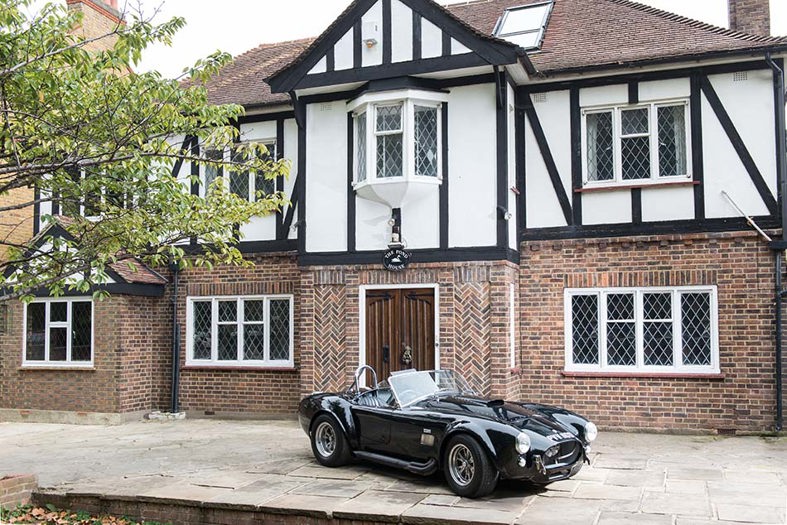
Listed buildings are usually older properties with heritage and history. Often stone built, and situated in areas of outstanding beauty, or conservation areas. What you don’t see on a listed building is a white uPVC casement window!
Due to their age, listed buildings are often draughty and difficult to heat. Without the ability to add triple glazing, how can you improve the energy efficiency whilst retaining the architectural integrity?
Most conservation officers and heritage advisers will recommend secondary glazing as the solution. Installed on the inside of your existing windows, they improve insulation without touching the original frames, without changing what the building looks like from outside, and without the need for planning permission that replacement windows would require.
If you have a listed building, and have been considering secondary glazing, this is what you need to know.
Why listed buildings can be difficult to upgrade
Historic buildings are protected because in some way they are considered of significant historical relevance and irreplaceable.
Windows are an integral part of the facade of a building. Timber sash windows in a Georgian terrace, leaded casements in a Victorian villa, or simple single-glazed frames in a rural farmhouse all contribute to the character and status of the listed building.
That protection is formalised through Listed Building Consent, a form of planning approval required for any work that would affect the character or historic fabric of a listed building. Replacing windows falls within that definition.
The original frames in most listed properties were designed for single glazing at just 3 or 4mm thick. To install a double or triple glazed unit, would mean alteration to the rebates and thickening the glazing bars. These changes distort the proportions of the window in ways that can change the building appearance enough to justify conservation officers declining approval. On top of that, a change in frame material, or colour will significantly alter the integrity of the building.
Listed buildings are among the least thermally efficient homes in England, but the most energy efficient windows are not an option.
This is where secondary glazing can offer the balance of thermal efficiency whilst retaining the aesthetic of a heritage home.