Today’s opening times

9am - 6pm

Call Free 0800 876 6172
9am - 6pm
GET A FREE QUOTE

How To Make A Windowsill Planter

Bring your window sills to life with a window garden. David Domoney shows you how to make your own planter and offers valuable advice to make sure your plants thrive.

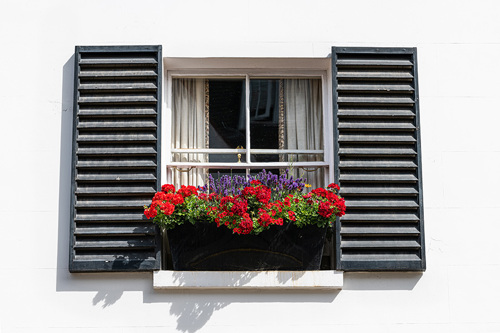
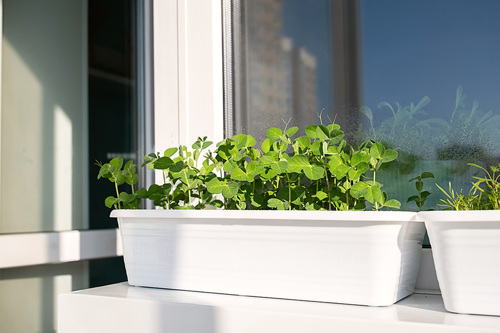
If you live in a countryside cottage or a cosy city flat, you can start a windowsill garden. These efficient, box-shaped planters are designed to sit neatly at the edge of your window and you can grow more than you might think, from pretty blooms to textured foliage plants, even your favourite herbs.

Not only do plants make your home look good, but they have been shown to have mood-boosting and stress-relieving effects. Some plants can even improve the air quality and insulation of your home, as well as increasing your property’s curb appeal.

Windowsill gardens are a fantastic way to grow plants, especially if you’re short on space,” says Everest ambassador, chartered horticulturalist David Domoney. “There are almost endless possibilities for what you can grow, whether you’re a beginner or a seasoned gardener. Either way, it’ll give your home a bright, beautiful boost.

Materials you will need

For the planter base:

Every windowsill garden needs a good container. There are two main options: buying a ready-made planter or creating your own. 

Outdoor planters tend to be larger and more robust than indoor pots, and come in a range of shapes, sizes and materials. Wooden boxes, for example, have an attractive, rustic appearance, but may rot over time unless they are lined with plastic or coated with wood preserver. 

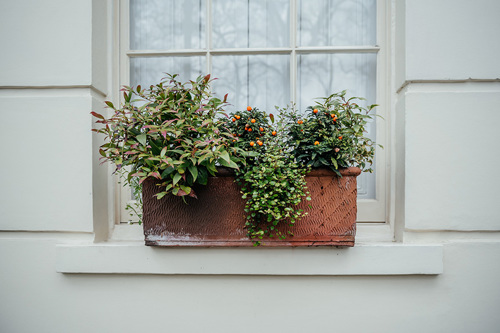
Ceramic pots are another alternative: they are heavier and more fragile, but tend to retain water better than terracotta, which is useful if your plants require moist soil.

Metal, on the other hand, is strong and durable, with a clean, modern look. But, it can be susceptible to temperature variations, becoming hot in the summer and cool in the winter.

Almost any kind of container can be upcycled into a windowsill planter, from a wine box to a toolbox. Sites like Gumtree or Freecycle are good places to look for low-cost, recycled plant containers. 

Whatever you choose, ensure it is securely sited on your wall or ledge. Remember, water will add weight, so fix them firmly in position.

For the filling:

Firstly, make sure your containers have drainage holes in the bottom. Otherwise your containers will become waterlogged, which could cause root rot.

Adding gravel or clay pebbles to your container under the soil will help with drainage and create air pockets, which reduces the risk of root rot. Crocks (pieces of broken terracotta or ceramic) will do the same. In containers with large drainage holes, they’ll prevent soil from falling through.

Compost or potting mix, of course, is also crucial. There are peat-free composts. The best type of compost will depend on the plants you choose, but a specific container compost, which is packed with nutrients and water retaining properties, is a good bet if you’re in doubt.

Choosing your plants is the fun part,” says Domoney. “Enjoy your selection and avoid packing it too tightly to leave room for plants to grow.”

You might also consider a plastic lining for your planter, with holes spiked in for drainage, which can help with moisture retention and protects materials like wood from rot. A drainage tray, likewise, can be placed under a container to collect water, keeping your windowsills dry and keeping moisture levels higher. 

If your windows are high up or particularly exposed, mounting brackets may also be a good idea to fix your planter in place.

Choose the right windowsill for your planter

Not all windowsills are created equal. For a windowsill garden, you’ll need to measure the width and depth carefully to ensure that yours is big enough for a container. It must also be strong enough to support the weight of a planter filled with soil. Check that it is thick enough and structurally sound.

Consider your window’s opening mechanism too. A sash window, for example, may work better with a planter than a window that opens outwards.

While you can grow plants in any aspect, you’ll have a bigger choice available if you choose a windowsill that receives plenty of bright, indirect sunlight. Take note of your windowsill’s growing conditions, and choose your plants accordingly: what direction does it face? How much light does it get? Is it sheltered or exposed? Warm or cooler? 

Read more about plants for north-facing windows and plants for south-facing windows.

How to make a windowsill planter step-by-step

Step 1: measure your windowsill

First of all, you need to get the tape measure and notepad out. Open the window and measure horizontally to give you the length of the sill. For the depth, measure from the window frame to the wall’s outer edge. Use a spirit level to check whether the sill is level.

Measure the reveal depth (the distance between the window frame and the exterior wall that extends outwards) as well as the wall overhang (the part of your sill that extends beyond the masonry). This will help you to calculate how wide your planter can be and how much shelter it will get.

Step 2: choose or create your container

Use your measurements to choose a container that fits your windowsill. Whether you buy a planter, repurpose another container or build one yourself, you’ll need to make sure that it’s smaller than the sill.

Bigger is better when it comes to window gardening,” says Domoney. “Going for a deeper container, which has more soil for plants to grow and also to store water, as long as your windowsill can accommodate it, of course, will give more room for soil, prevent your box from drying out and provide space for a wider selection of plants.

Choose a container that suits your growing conditions and go for something that’s in line with the architecture of your building and your own interior tastes. Terracotta, for example, can be great for a rustic, cottage style look, while metal planters may suit a more modern home.


Step 3: add drainage and soil

Good drainage is essential for a windowsill planter. Outdoor containers can be prone to waterlogging, which can cause plants’ roots to rot. Make sure your planter has drainage holes, and consider elevating it slightly with risers or pot feet to allow water to escape.

As mentioned above, adding gravel, sand or drainage mesh to your containers will also provide an extra drainage layer. These prevent drainage holes from becoming blocked, allowing water, but not soil to pass through. They also improve airflow, minimising the risk of root rot. 

Choose a well-draining compost that matches your plants’ needs. A multi-purpose peat-free container and basket compost is most common, and you can boost it with fertilisers and water-retaining gels. Pour your compost straight into your container and fill to around two thirds full before you add your plants. 
 

Step 4: plant your selection

Choose plants that will thrive in your windowsill’s growing conditions. “Outdoor succulents love warm, sunny windowsills,” says Domoney. “Alternatively, if yours is cooler and north-facing, foliage plants like ferns or even hardy fuchsias are good options.

Experiment with plants of different textures, heights, foliage types and colours. Evergreens will maintain their colour year-round, while seasonal flowering plants like geraniums or petunias bring bright, pretty summer blooms. Try growing your own herbs, like basil, mint or thyme, or enjoy a strawberry plant. 

Think about how the container will be viewed. For a windowsill, it’ll need to look good from both sides. Many windowsill gardeners follow the “thriller, filler and spiller” approach, which combines tall plants (“thrillers”) with more compact species (“fillers”) and “spillers”, which cascade over the edges of the box. It’s often a good idea to place taller plants in the middle or towards the back of the box, with smaller plants at the front. If you’re using seasonal plants or flowers, you might want to give them pride of place.

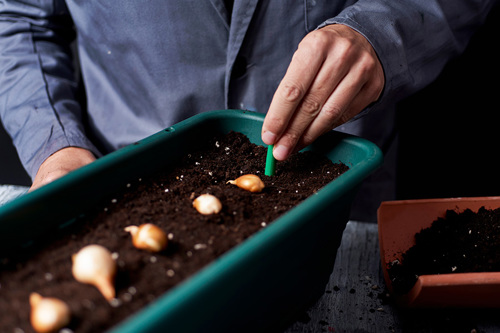
As for the planting itself, dig holes for your seeds or young plants in the soil, remove them from their pots and gently press them in. Use compost to fill any gaps, and then water slowly.


Step 5: position and water carefully

Plants grown in containers tend to require more watering than those grown in the ground, but avoid giving them too much. “Getting your watering right is key,” says Domoney. “Check the soil daily in the summer: it should be moist but never sodden. During wet winters, you may need to move plants under cover to avoid them becoming waterlogged.

Windowsill planters will also benefit from feeding, particularly during the spring and summer.

Just remember, overhanging eaves of the house or under frame can stop rain from getting to your window box. So ensure to check the soil’s water levels regularly.

Most plants prefer bright, indirect light, so position your plants to maximise sunlight access. Look out for obstructions like trees or tall buildings which may affect the amount of light available.

In darker winters, you might need to move planters to a sunnier location. In the summer, the heat and intensity of the sunlight can cause leaves to wilt or scorch, particularly if your windows are south facing. Look out for signs of overheating and relocate or shade your plants if necessary. 

As with potted plants, it’s good practice to rotate your windowsill planter occasionally. This will ensure even growth and ensure that your display looks good from both sides of your windows. 

Casement Windows

  • Highly thermally efficient
  • An array of colour options
  • Smooth or woodgrain
  • Highly secure

Tilt & Turn Windows

  • Opens in for easy cleaning
  • Tilts for secure ventilation
  • An array of colour options
  • Smooth or woodgrain

Bay Windows

  • A sense of space and light
  • Panoramic views
  • Four different configurations
  • uPVC, timber or aluminium

Sash Windows

  • Replica traditional design
  • Smooth running mechanisms
  • Smooth or woodgrain
  • Traditional sash furniture

Common windowsill planter mistakes to avoid

Plants are good at indicating their needs, so learn how to spot signs of distress. Here are some of the most common pitfalls to avoid:

Overcrowding plants

As tempting as it might be to fill your planter with greenery, do not overcrowd your plants. They should be spaced a few inches apart to give them room to grow, considering their mature size and root system. 

If your window box contains too many plants, they’ll struggle to receive the water and nutrients they need and will lack space to grow. Look out for stunted growth, yellowing leaves and pests, which can prey on struggling plants.

Blocking window ventilation

For your own sake (as well as your plants’), make sure that your window box does not obstruct the opening of your window. Choose the right type of planter for your window type, and trim your plants back to prevent them from getting in the way.

Ignoring changing light throughout the year

The changing of the seasons can pose perils for your plants. In the winter, it’s a question of making sure your plants are getting enough light; in the summer, be careful that they’re not drying out.

Drainage issues and signs of waterlogged soil

Waterlogged soil is one of the biggest killers of plants. It’s a slow, painful death: cutting off oxygen, drowning the roots, and eventually leading to rot,” says Domoney. “Before watering, stick a finger into your plant’s soil and only water if the top layer is dry. Generally, the soil should be moist but not wet.

Contending with wet British winters is challenging. Prolonged rainfall and low temperatures are a terrible combination for plants, causing water to build up if it isn’t draining properly. You may need to add more drainage holes.

Drooping leaves, mould and dark, mushy roots are all symptoms of overwatering, sometimes accompanied by a rotting smell. This may also attract fungus, which like damp soil. But before it gets to that stage, lift your plant out of its pot to see if water has collected at the base. If you’re using a drainage tray, make sure that your plant is not left to stand in water.

Strong winds

It can be rough out there for plants. High winds can dry out plants’ soil, cause physical damage and threaten to knock them off the sill if they are not fastened securely. Look out for signs of wind scorch, which appears as brown, dry leaves, and dry soil.

Windowsill gardens are extremely versatile. Look beyond simple bedding plants and experiment with bold colours, quirky planters and brilliantly textured foliage,” says Domoney. “Use yours as an opportunity to get creative.

Whatever you choose to grow, windowsill planters can bring life, colour and personality to your space. It all starts with the window itself. Everest offers a range of attractive window solutions which will match the architecture of your property, boost its energy efficiency and complement your windowsill garden.

At Everest, Energy Efficiency Is at the Core of What We Do

When you choose Everest, not only do you make your home warmer and reduce your energy bills, but you also reduce your CO₂ emissions by consuming less energy to heat your home. We ensure an environmentally friendly manufacturing process and recycle all old products.